


How Do You Clean Nonstick Cookware Every Day?
Care & Maintenance GuideWash nonstick pans by hand with warm water, mild soap and a soft sponge, right after they cool. Skip steel wool and harsh scouring powders since they scratch the coating. Avoid stacking pans without a cloth between them, and let the pan dry fully before storing it away in a cupboard.
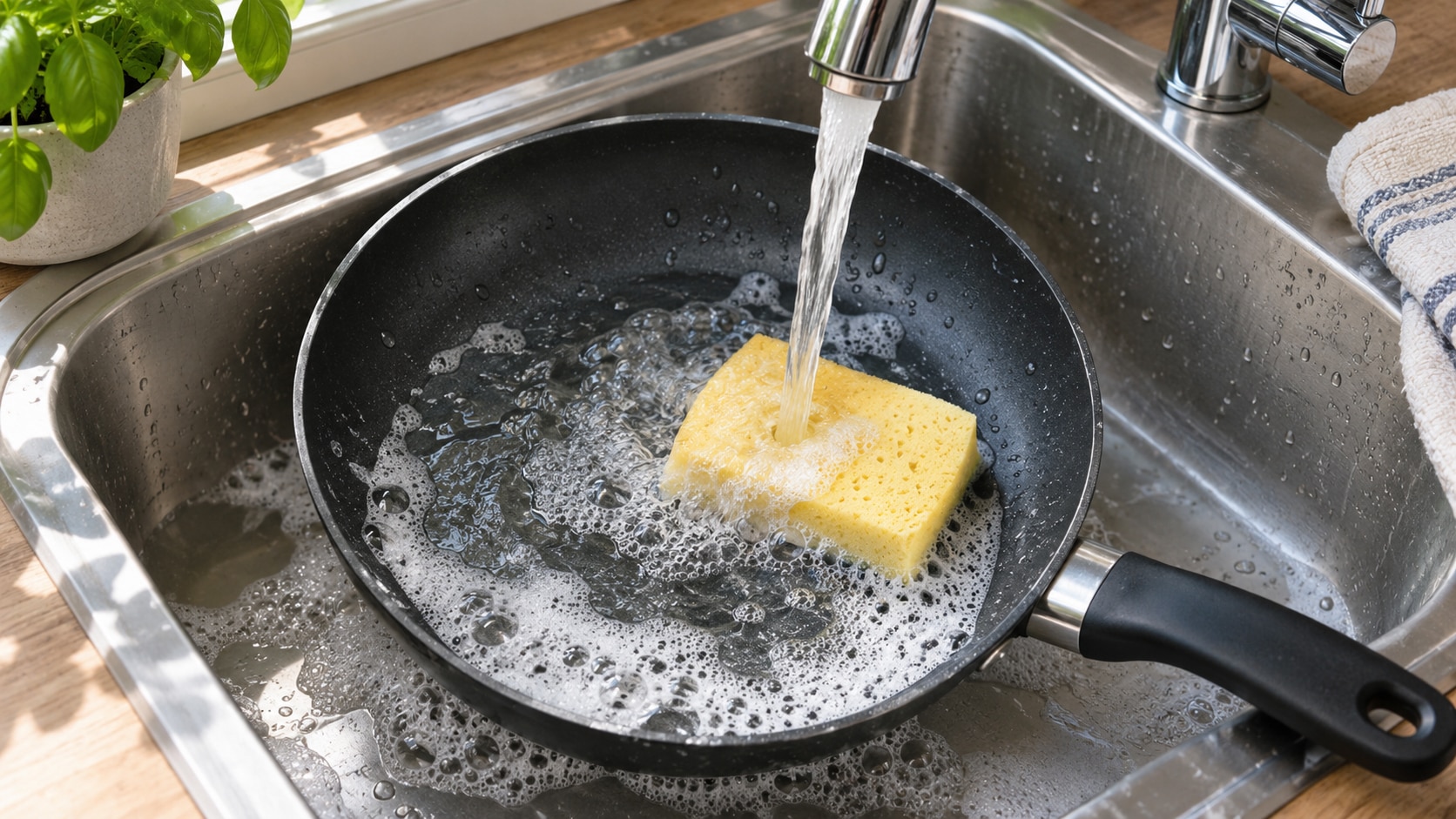 Figure 1: Warm water, mild soap and a soft sponge are all a nonstick pan needs.
How Do You Remove Burnt-On Food Safely?
Care & Maintenance GuideFor burnt-on food on nonstick, soak the pan in warm soapy water for 15 to 20 minutes, then wipe gently with a soft sponge. Never scrape with a knife or steel wool. On steel or hard-anodised pans, boiling water with baking soda loosens the burnt layer before a normal scrub.
Burnt food on a nonstick pan needs patience, not force. Soak it in warm water with a little soap for 15 to 20 minutes first.
After soaking, wipe the loosened bits away with a soft sponge. A nylon spatula can help lift stubborn bits without touching the coating directly.
Never scrape a nonstick pan with a knife, fork or steel wool. One hard scrape can cut through the coating in a single stroke.
On a stainless steel or hard-anodised pan, burnt food comes off differently. Boil water in the pan for a few minutes, then add a spoon of baking soda.
Let it sit off the flame for about 10 minutes. The burnt layer softens and lifts away with a normal scrub afterward.
Avoid plunging a hot pan straight from the flame into cold water. A sudden temperature change can warp a thin pan base over repeated use.
A short soak, a soft sponge and a little patience handle almost every burnt pan. Reaching for a sharp tool first usually causes more harm than good.
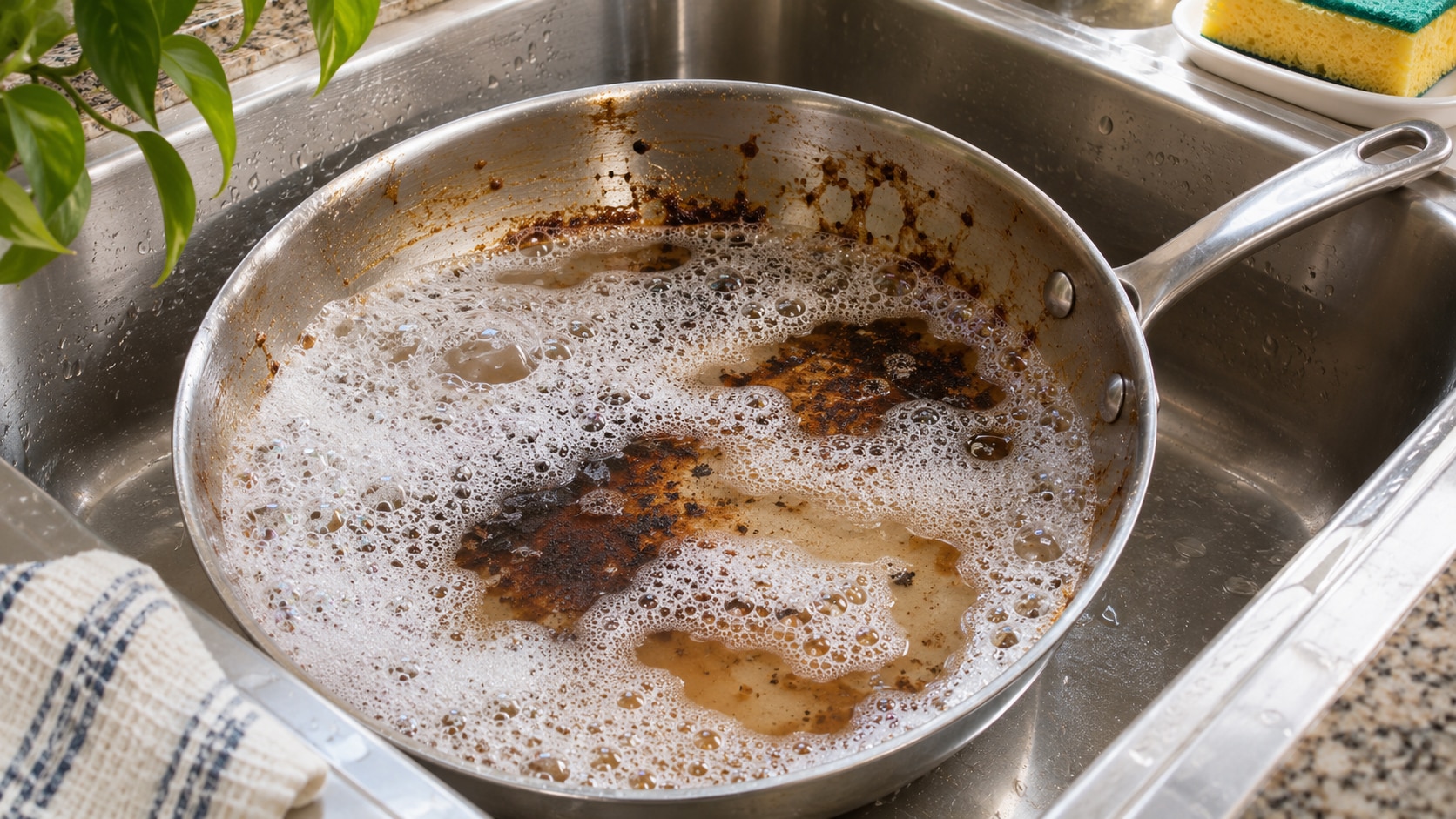 Figure 2: A simple soak for 15 to 20 minutes loosens burnt food without scraping.
How Do You Keep Pressure Cookers' Gasket And Whistle Clean?
Care & Maintenance GuideRemove the rubber gasket, or sealing ring, and the whistle after every use. Wash both separately in warm soapy water and dry them fully. A sticky or cracked gasket lets steam escape. Clean the vent and the safety valve opening with a thin brush so food particles never block them.
The rubber gasket, also called the sealing ring, sits inside the lid and seals in steam. Remove it after every use and wash it separately.
Wash the gasket in warm water with a little soap, then dry it fully before refitting it. A damp gasket can trap smells over time.
An Indian safety standard for pressure cookers requires this sealing gasket to meet a separate rubber component standard, so it holds up under steam and heat [R1].
The same standard also requires that no part touching food or steam should change the food's taste, colour or smell, which is why gasket material matters [R1] [R3].
Clean the whistle, also called the vent weight, by rinsing it under running water. Check that its small hole is not blocked by food bits.
Also check the safety valve, a small rubber or metal plug near the vent. Wipe it clean gently; never poke it hard with a sharp pin.
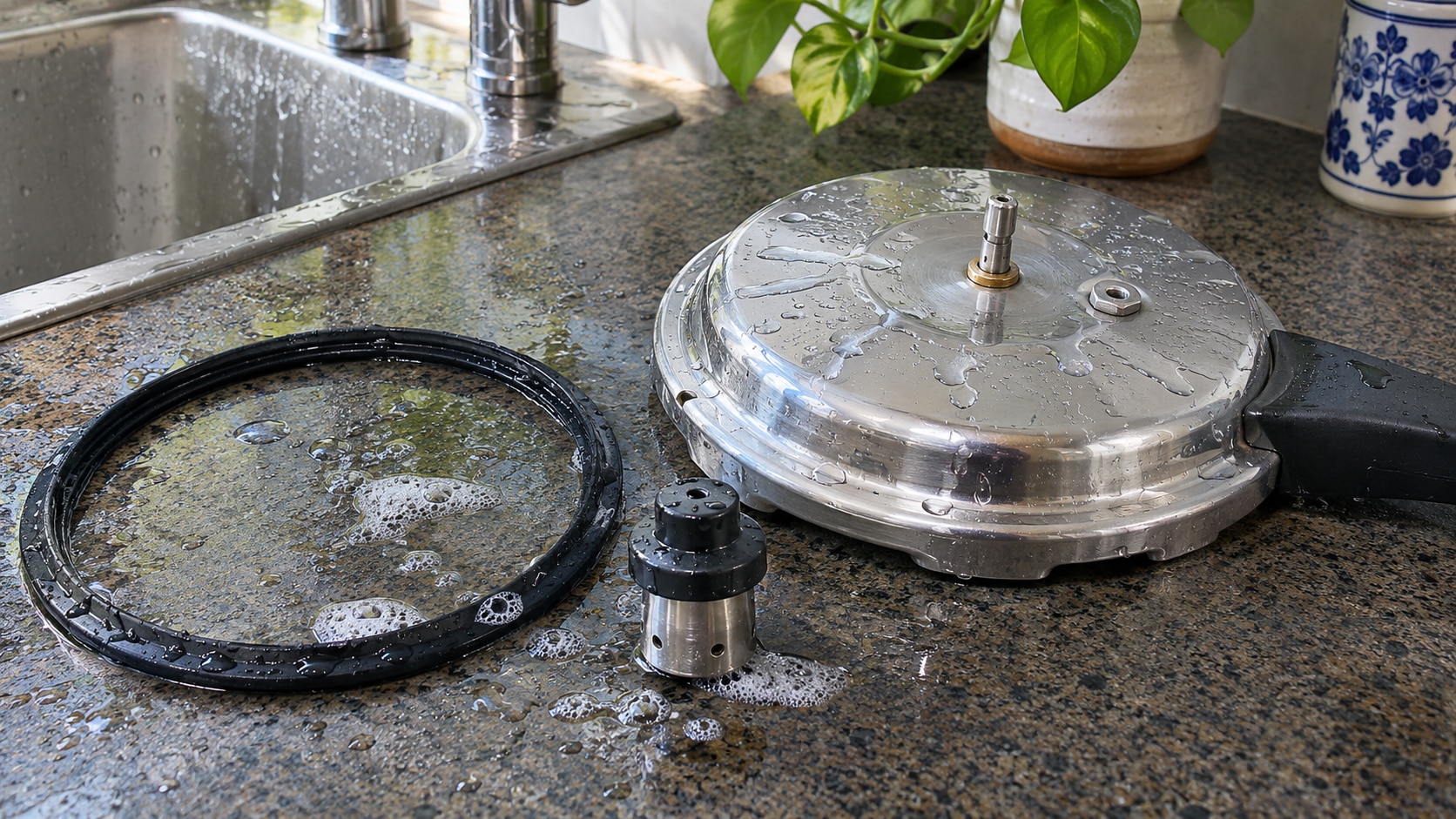 Figure 3: The gasket and whistle should be washed separately and dried fully before refitting.
When Should You Replace Pressure Cooker Parts?
Care & Maintenance GuideReplace the rubber gasket once it turns hard, cracks, or stops sealing steam properly, often after regular daily use. A whistle that rattles loosely or lets steam leak needs replacing too. Buy a new gasket or whistle made for your cooker's exact size and brand, rather than a generic one.
A rubber gasket does not last forever. Heat and steam slowly make it hard, brittle or slightly smaller than it was originally.
Replace it once you see cracks, a hard texture, or steam hissing out from the lid edge instead of just the vent.
Many households find a gasket needs replacing roughly once a year with daily use, though this varies with how often the cooker is used.
A loose or rattling whistle, or one that lets a thin stream of steam leak around its base, also needs replacing soon.
Buy a replacement gasket or whistle matched to your cooker's exact size and brand. A wrong size will not seal properly even if it fits loosely.
Check the pack of any replacement part for basic details like the maker's name and size, since pre-packaged items sold in India must declare this information [R4].
Keep the old gasket or whistle aside for a day or two after replacing it. It helps as a size reference if the new part feels slightly off.
| Part | Sign It Needs Replacing | What To Do |
|---|---|---|
| Gasket | Hard, cracked or shrunken rubber | Replace with the exact size for your cooker |
| Whistle | Rattles loosely or lets steam leak | Replace with a matching brand part |
| Safety valve | Stuck, discoloured or steam bypasses it | Get it checked or replaced by a technician |
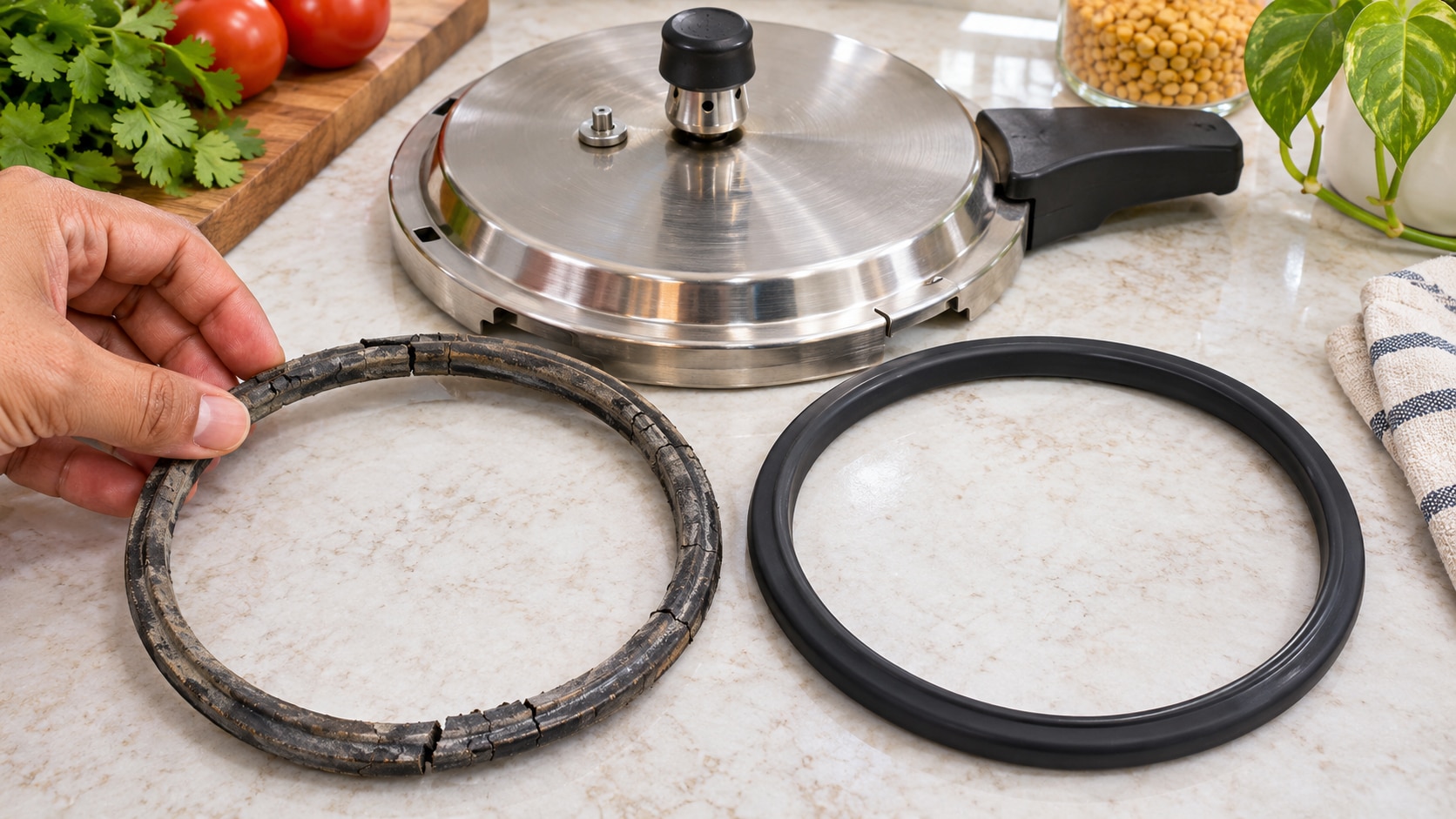 Figure 4: A new gasket should match the cooker's exact size and brand to seal properly.
What Mistakes Shorten Cookware Life?
Care & Maintenance GuideLeaving an empty nonstick pan on a high flame, using metal spoons on nonstick, and storing a pressure cooker gasket tightly shut are common mistakes. An overheated or scratched nonstick coating can release fumes some people find irritating. Good kitchen ventilation and gentle daily habits help cookware last much longer.
Leaving an empty nonstick pan on a high flame is a common mistake. Always add oil or food early, before the pan gets too hot.
Cooking on low to medium heat suits nonstick pans best. A high flame with little ventilation is a mistake many kitchens still make.
An overheated, scratched or damaged nonstick coating can release fumes that some people find irritating. Good kitchen ventilation while cooking is a simple safeguard.
Using metal spoons or spatulas on nonstick is another frequent habit. Switch to wooden, silicone or nylon tools to protect the coating.
Storing a pressure cooker with its lid shut tight and the gasket squeezed in place traps moisture and smell, besides stressing the rubber.
Instead, store the cooker with its lid upside down or off completely, and the gasket removed and dried, between uses.
Small habits like these cost nothing but a few extra seconds each day, and they are usually what separates a cooker that lasts from one that does not.
These 3 habits, high heat on an empty pan, metal tools, and a tightly sealed gasket, cause most of the damage seen in home kitchens.
 Figure 5: Wooden or silicone tools and good ventilation protect a nonstick coating during cooking.
What Is A Simple Weekly And Monthly Upkeep Checklist?
Care & Maintenance GuideEach week, check nonstick pans for scratches and wash the pressure cooker gasket and whistle separately. Each month, inspect the gasket for cracks, check the safety valve is clear, and wipe down cookware handles. If a coating flakes into food or a gasket fails to seal, raise it with the seller or a consumer helpline.
A short weekly routine keeps cookware healthy. Check nonstick pans under bright light for any fine scratches or dull patches on the coating.
Also wash the pressure cooker gasket and whistle separately each week, even if you wash the cooker body daily after use.
Once a month, take a closer look. Check the gasket for cracks, hardness or a slightly shrunken shape compared to when it was new.
Check that the safety valve and vent opening are clear of any food residue, so steam can escape normally during cooking.
Wipe down handles and knobs too, since food and oil often build up there unnoticed over weeks of regular cooking.
If a nonstick coating flakes into food, or a cooker part keeps failing, a consumer can also raise a complaint with the National Consumer Helpline [R5].
Treat this checklist as a light habit, not a chore. A few minutes each week and month add years to cookware that would otherwise wear out fast.
| Item | Figure | What it means |
|---|---|---|
| Weekly | Check nonstick coating, wash gasket and whistle separately | Takes a few extra minutes beyond the normal wash |
| Monthly | Inspect gasket for cracks, clear the safety valve, wipe handles | A good time to decide if a gasket needs replacing |
| If something fails | Raise it with the seller or the National Consumer Helpline | Useful when a coating flakes or a part keeps failing despite care |
Frequently Asked Questions
What's the quickest way to lift stuck food from a pan?
Can I scrub a coated pan with steel wool?
What signs show a sealing ring needs swapping?
Why is the vent weight leaking steam?
Is it fine to leave the lid shut when storing?
Why does my nonstick pan smell while cooking?
How do I clean the pressure cooker safety valve?
Can I use a metal spoon on nonstick pans?
Shop cookware care essentials on JioMart
References
Cited in the text by tag. All links point to the specific source document.