


What Does Cotton Suit Best?
Category ExplainerCotton is a natural fibre grown from the cotton plant. It soaks up sweat and lets air pass through, which keeps skin cooler in humid weather. It suits daily shirts, kurtas, bedsheets and towels. Cotton creases easily and can shrink a little after a hot wash, so wash it in cool to warm water.
Cotton comes from the soft fibre around cotton plant seeds. Workers spin this fibre into thread, then weave it into fabric.
This natural origin is why cotton feels soft and breathes well against skin.
Cotton works well across all 4 seasons in India, though it feels most comfortable during heat and humidity.
Cotton absorbs moisture fast. It pulls sweat away from the body and lets it evaporate through the open weave.
This is exactly why cotton suits Indian heat and humidity so well for daily wear.
In a home, cotton suits everyday shirts, kurtas, pyjamas, bedsheets and bath towels. It also suits baby clothes, since it rarely irritates soft skin.
The trade-off is that cotton creases easily. A plain cotton shirt looks crumpled within an hour of sitting in it.
Cotton can also shrink a little the first few times you wash it in hot water. A hot wash loosens the tight weave.
Wash cotton in cool to warm water, not very hot. Hang it to dry in shade rather than under harsh midday sun.
Strong sun can fade cotton colour over repeated washes. Iron cotton on a medium to hot setting while it is still slightly damp for the smoothest finish.
The government also runs separate quality control rules for several textile product categories, pushing manufacturers toward consistent safety and quality standards [R2].
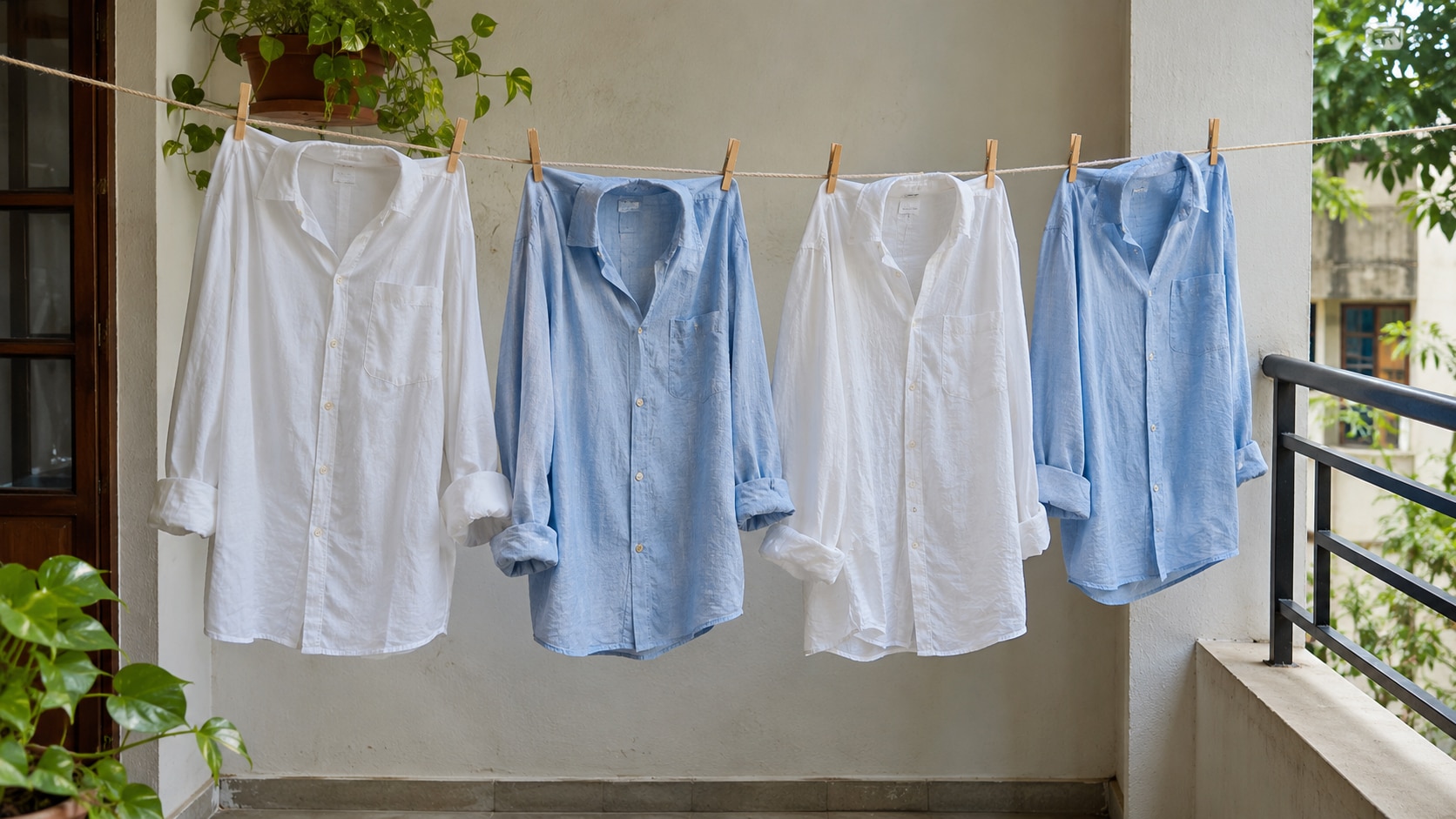 Figure 1: Cotton breathes well but dries best in shade rather than harsh sun.
What Does Linen Suit Best?
Category ExplainerLinen is a natural fibre made from the flax plant's stem, not its seed. It feels cooler than cotton and lets even more air through its loose weave. It suits summer shirts, kurtas and light bedsheets in hot weather. Linen creases within minutes of wear and needs gentle washing in cool water.
Linen is woven from fibres taken out of the flax plant's stem. This is different from cotton, which comes from the plant's seed pod.
The flax fibre is naturally stiff and long, which gives linen its slightly rough, airy texture.
Flax plants grown for linen usually take about 100 days to mature before harvest.
Linen feels cooler on skin than cotton in most conditions. Its looser weave lets even more air pass through the fabric.
This makes linen a strong pick for peak summer shirts, kurtas and light curtains in a hot room.
The one thing everyone notices about linen is how fast it creases. Sit down in a linen shirt and wrinkles show within minutes.
Many people now accept this relaxed, crumpled look as part of linen's natural charm rather than fighting it.
Wash linen in cool water with a gentle cycle or by hand. Hot water and rough scrubbing weaken its fibres faster than with cotton.
Avoid wringing linen hard to remove water, since this can leave permanent creases in the weave.
Iron linen while it is still damp, using a hot setting. Dry linen resists ironing and springs back to its creased shape.
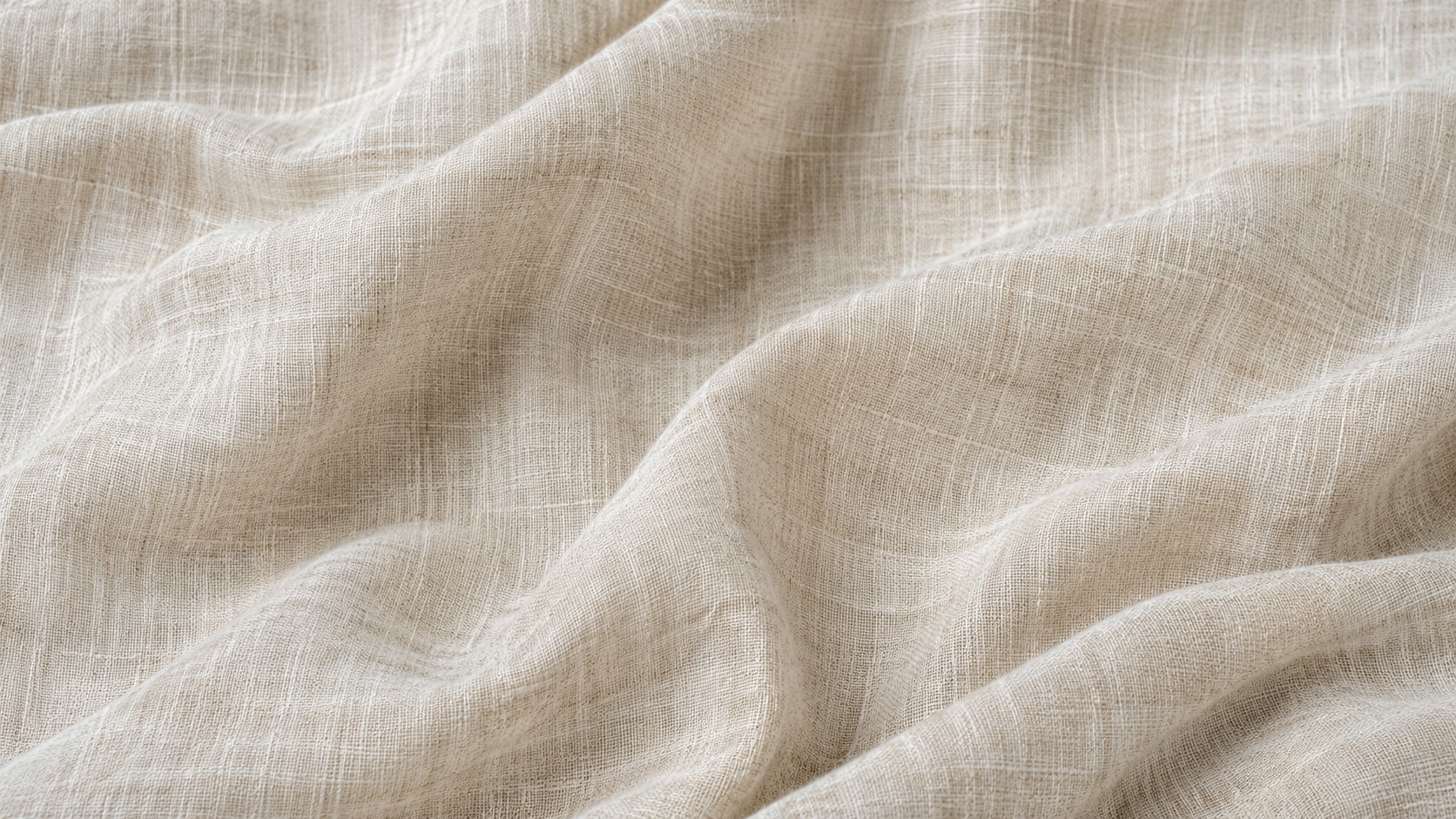 Figure 2: Linen's loose weave lets air pass through easily, which keeps it cool in summer.
What Does Polyester Suit Best?
Category ExplainerPolyester is a synthetic fibre made from petroleum based plastic, not a plant or animal source. It resists creasing, dries fast and holds colour well, which suits travel wear, sportswear and uniforms. It breathes less than cotton or linen, so it can feel warm and sweaty in humid Indian weather.
Polyester is a man made, synthetic fibre spun from a type of plastic. It does not come from a plant or an animal like cotton or linen.
Polyester fibre was first developed in the 1940s, decades after cotton and linen were already common fabrics.
This man made structure is why polyester behaves so differently from natural fibres on the body.
Polyester barely absorbs moisture. Sweat sits on the surface instead of soaking in, which can feel sticky in Indian humidity.
It breathes far less than cotton or linen, so a pure polyester shirt can feel warmer in peak summer.
Where polyester wins is durability and convenience. It resists creasing almost completely and holds its shape wash after wash.
It also dries very fast on a clothesline, which suits travel clothes, sportswear, raincoats and school uniforms.
Polyester holds printed colours and patterns well over time, fading much less than cotton with repeated washing.
Wash polyester in cool to warm water. Avoid very hot water and a hot iron, since high heat can melt or glaze the fibre.
If ironing is needed, use a low heat setting, ideally with a cloth placed between the iron and the fabric.
The Ministry of Textiles keeps a public list of quality control orders covering various textile product categories [R3].
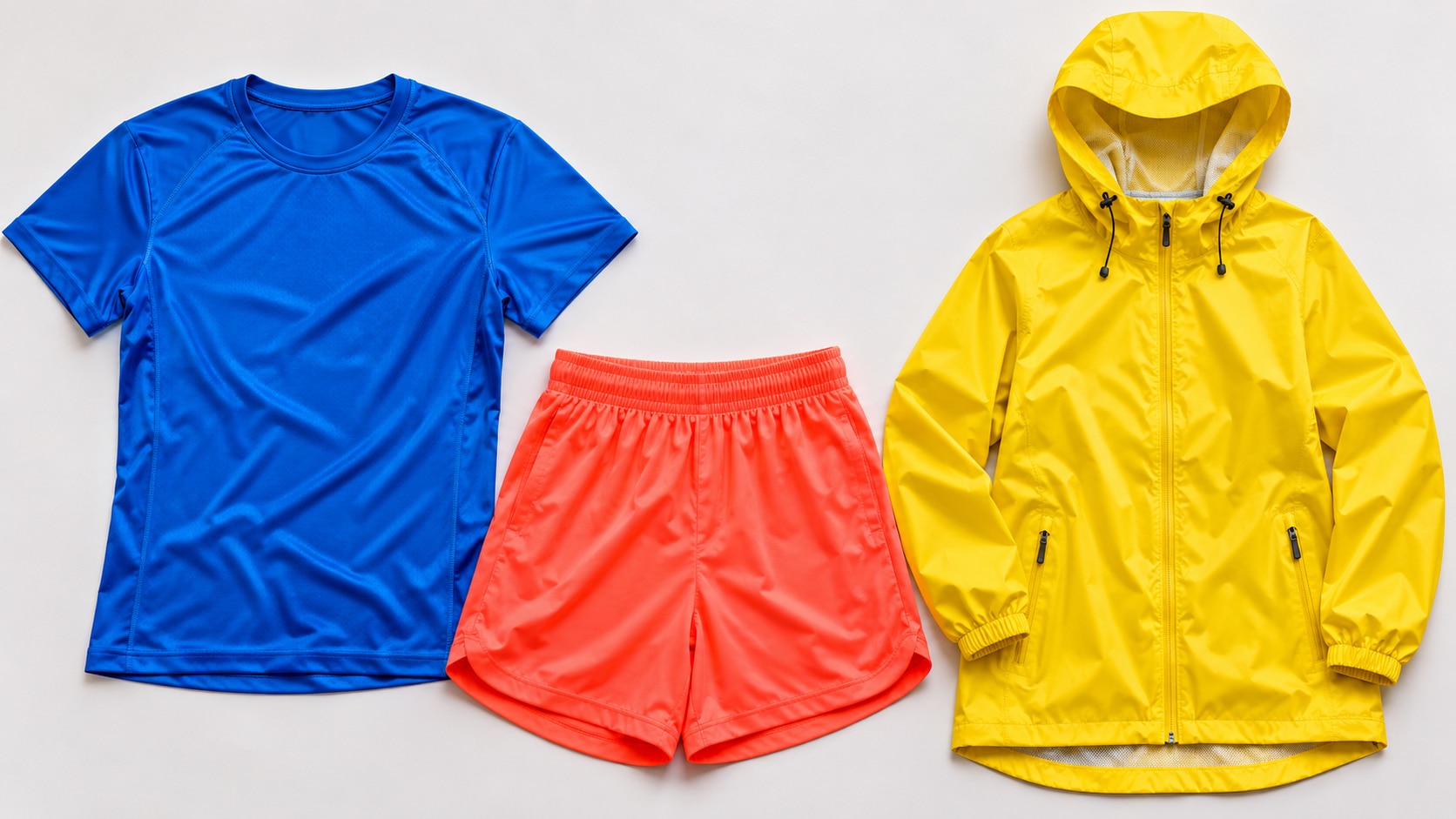 Figure 3: Polyester resists creasing and dries fast, which suits travel and sportswear.
What Do Blended Fabrics Offer?
Category ExplainerA blended fabric mixes two or more fibres, most commonly cotton and polyester, spun together into one yarn. The aim is to combine cotton's breathability with polyester's crease resistance and fast drying. Blends suit office shirts, school uniforms and everyday bedsheets where easy care matters more than pure natural feel.
A blended fabric is made by spinning two or more fibres together into a single yarn, rather than keeping them separate.
The most common Indian blend is cotton mixed with polyester, often labelled as a cotton-poly mix on the garment tag.
The idea behind blending is simple. Cotton brings breathability and softness. Polyester brings crease resistance and fast drying.
Together they try to cover each fibre's weak point, though neither trait is as strong as in a pure fabric.
A cotton-polyester shirt creases far less than pure cotton but still breathes better than pure polyester.
Blends commonly suit office shirts, school uniforms, trousers and everyday bedsheets, where low maintenance matters as much as comfort.
- Check the garment tag for the exact fibre mix, usually shown as a percentage of each fibre.
- A higher cotton share usually feels softer and cooler on skin.
- A higher polyester share usually creases less and dries faster after a wash.
- Wash blends on a gentle to normal cycle in cool to warm water, following the care label.
The same tag also carries the shared Indian symbol system for washing, drying and ironing that every garment type uses [R1].
Blended fabric generally needs less ironing than pure cotton or linen, since the synthetic fibre resists deep creasing.
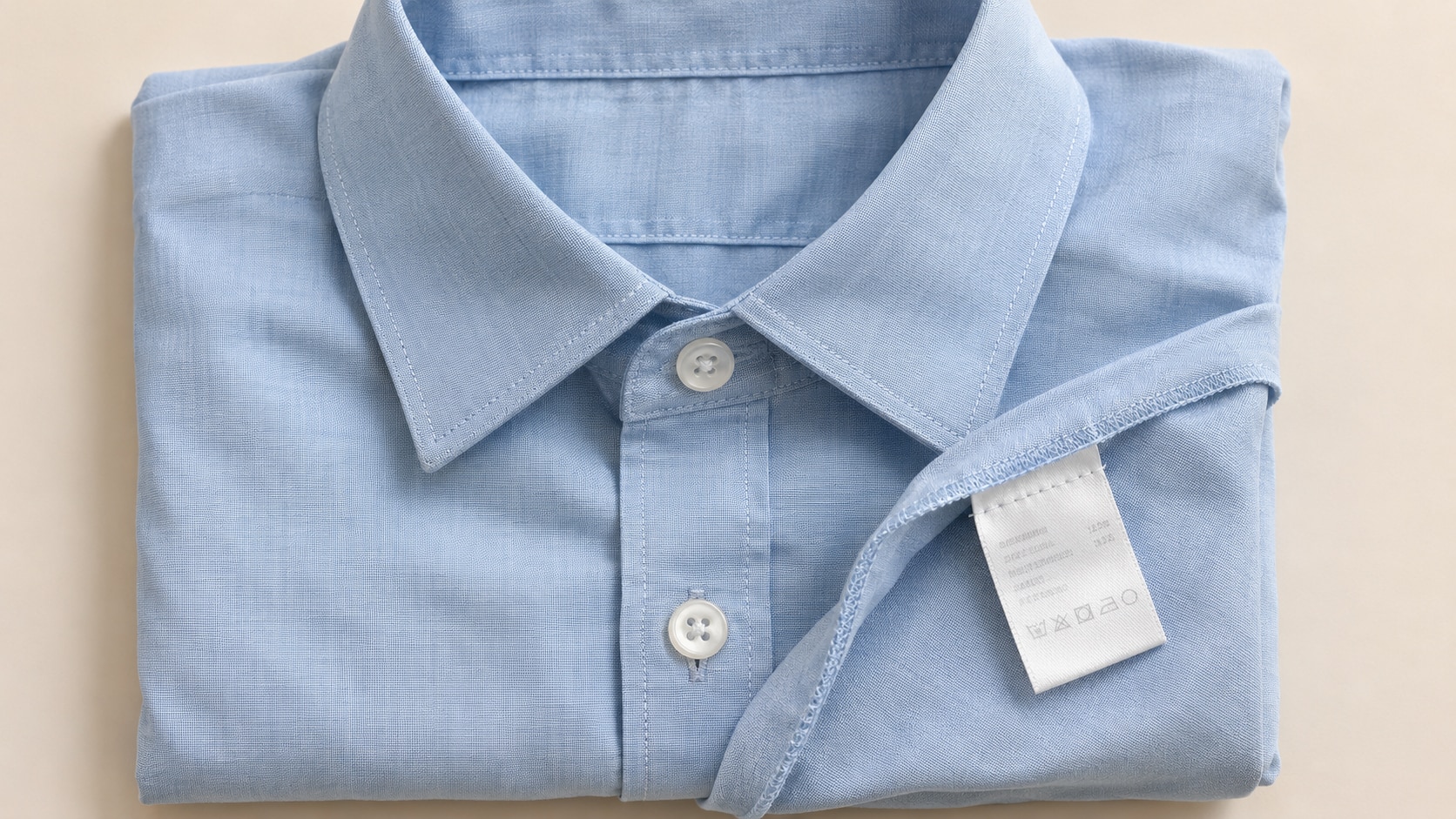 Figure 4: Checking the fibre percentage on a tag tells you whether a blend leans soft or low-maintenance.
How Do You Read Wash-Care Symbols?
Buying GuideMost clothes carry a small cloth tag with symbols for washing, bleaching, drying, ironing and dry cleaning. A tub shape means washing, a triangle means bleaching, a square means drying, an iron shape means ironing, and a circle means dry cleaning. An Indian standard sets this system of symbols, updated as recently as 2023.
A small cloth tag sewn inside a collar or side seam carries wash-care symbols rather than full sentences. This keeps the label useful across languages.
An Indian standard sets the system of these care symbols used on clothing labels. It was updated as recently as 2023 to stay aligned with global practice [R1].
A tub shaped symbol means washing. A number inside it usually shows the maximum safe water temperature.
A triangle shaped symbol covers bleaching. An empty triangle means bleach is safe, while a crossed out triangle means avoid bleach completely.
A square symbol covers drying instructions, such as line drying or using a tumble dryer on a gentle setting.
An iron shaped symbol shows ironing guidance. Dots inside often indicate low, medium or high heat settings for that fabric.
A circle shaped symbol means dry cleaning. A crossed out circle means the garment should never be dry cleaned.
Reading these symbols before the first wash prevents most common laundry mistakes, like shrinking a delicate blend in hot water.
| Symbol Shape | What It Covers | Simple Meaning |
|---|---|---|
| Tub | Washing | Shows safe water temperature and wash type |
| Triangle | Bleaching | Crossed out triangle means avoid bleach |
| Square | Drying | Shows line drying or tumble dry settings |
| Iron Shape | Ironing | Dots show low, medium or high heat |
| Circle | Dry Cleaning | Crossed out circle means never dry clean |
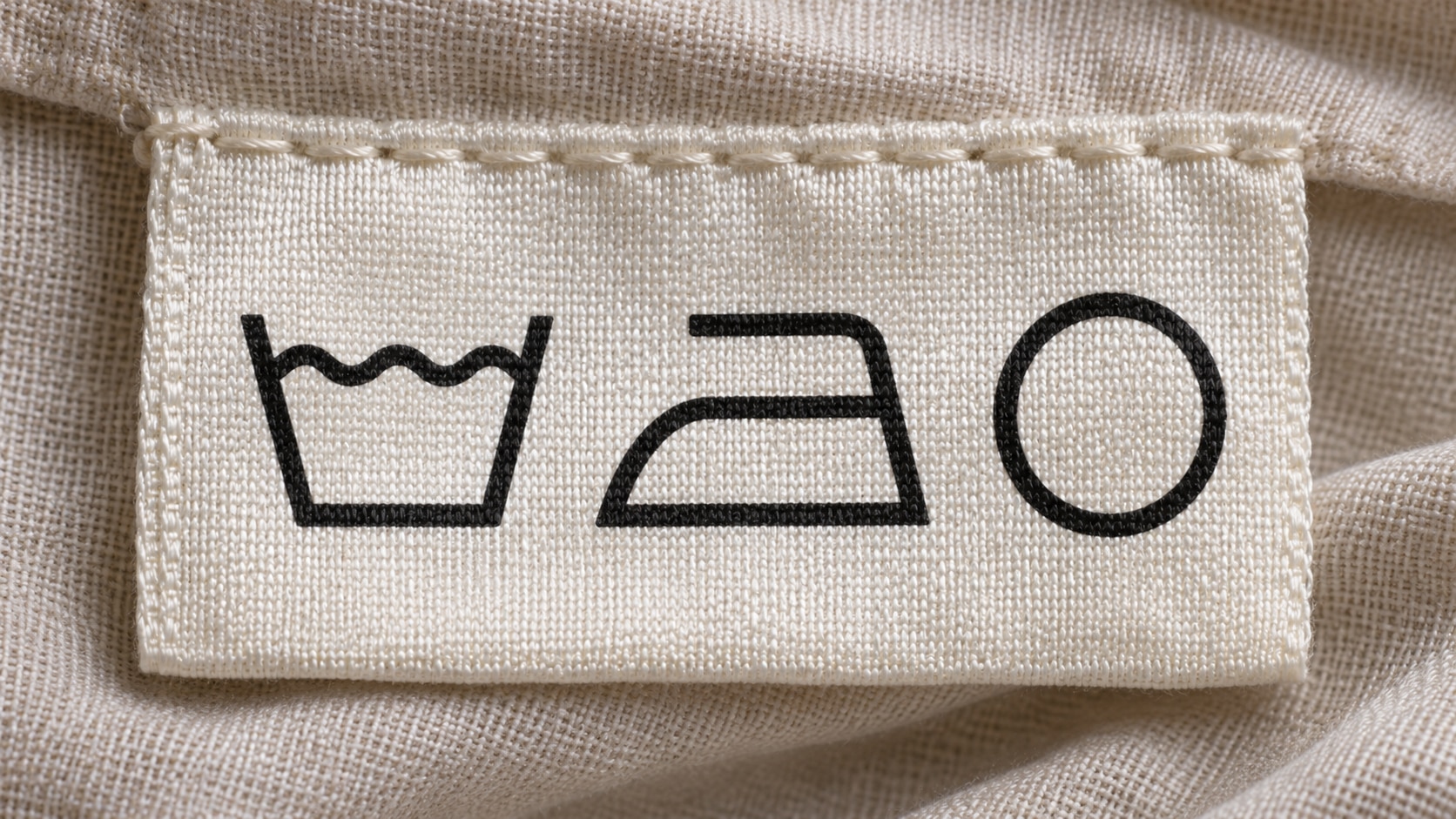 Figure 5: An Indian standard sets this shared system of care symbols found on most clothing tags.
How Does This Fibre Guide Help Clothes Last Longer?
Buying GuideClothes last longer when washing, drying and ironing match the fabric. Cotton and linen prefer cooler water and shade drying. Polyester and blends tolerate more but dislike high iron heat. Sorting clothes by fabric before a wash, not just by colour, protects delicate fibres from rough handling.
Clothes last longer when the wash routine matches the fabric, not the other way around. Most damage happens from using one routine for everything.
Sort clothes by fabric type before a wash, not only by colour. A delicate linen shirt should not spin with heavy denim.
The shared Indian symbol system on each tag makes this sorting simple, since every fabric carries the same style of washing and ironing icons [R1].
Cotton and linen both prefer cooler water and drying in shade rather than direct harsh sun, which can fade colour over time.
Polyester and most blends tolerate a slightly tougher wash but still dislike a very hot iron, which can glaze synthetic fibres.
Turn printed or dark coloured clothes inside out before washing. This protects the print and slows colour fading on the outer surface.
Avoid overloading a washing machine drum. Crowded clothes rub harder against each other, which wears down fibres faster over many washes.
Store clothes fully dry in a cupboard. Damp fabric stored too soon can develop a musty smell and weaken over time.
| Item | Figure | What it means |
|---|---|---|
| Cotton | Cool to warm wash, shade dry, medium-hot iron | Hot water is the main cause of early shrinking |
| Linen | Cool gentle wash, shade dry, hot iron while damp | Avoid hard wringing to prevent permanent creases |
| Polyester | Cool to warm wash, low heat iron | High iron heat can glaze or melt the fibre |
| Blends | Follow the care label for the mix | Needs less ironing than pure cotton or linen |
Frequently Asked Questions
Why does my cotton shirt crease so fast?
Does linen really crease in minutes?
Why does polyester feel warm in summer?
What does a crossed out triangle symbol mean?
Is machine washing cotton with linen items safe?
Why do blended shirts need less ironing?
How hot should the iron be for polyester?
When was the Indian care symbol standard updated?
Shop fabric & wardrobe essentials on JioMart
References
Cited in the text by tag. All links point to the specific source document.