


How Do Rice Types Compare?
Category ExplainerBasmati rice has long grains and a natural aroma, which suits biryani and pulao. Sona masuri is a lighter, shorter grain used for daily steamed rice and dosa batter. Parboiled rice is partly boiled before milling, which keeps grains firm, and suits dishes that need rice to hold its shape.
Basmati rice stands out for its long, slim grain and a natural aroma that develops as it cooks.
Indian food rules require real basmati to have this natural aroma, with no added colour or added fragrance [R1].
A pack can legally blend in up to 15% non-basmati rice, but it must then state each rice type and its share on the label [R1].
Sona masuri is a shorter, lighter grain, common in South Indian homes for daily steamed rice and dosa or idli batter.
It costs less to cook with daily since it is lighter and less aromatic than basmati, making it a practical everyday choice.
Parboiled rice goes through a partial boiling step before milling, while still in its husk. This firms up the starch inside each grain.
Parboiled rice holds its shape well after cooking, which suits dishes like khichdi or a rice salad that should not turn mushy.
Choosing between these three mostly comes down to the dish. Basmati suits a special meal, sona masuri suits daily rice, and parboiled rice suits dishes needing firm grains.
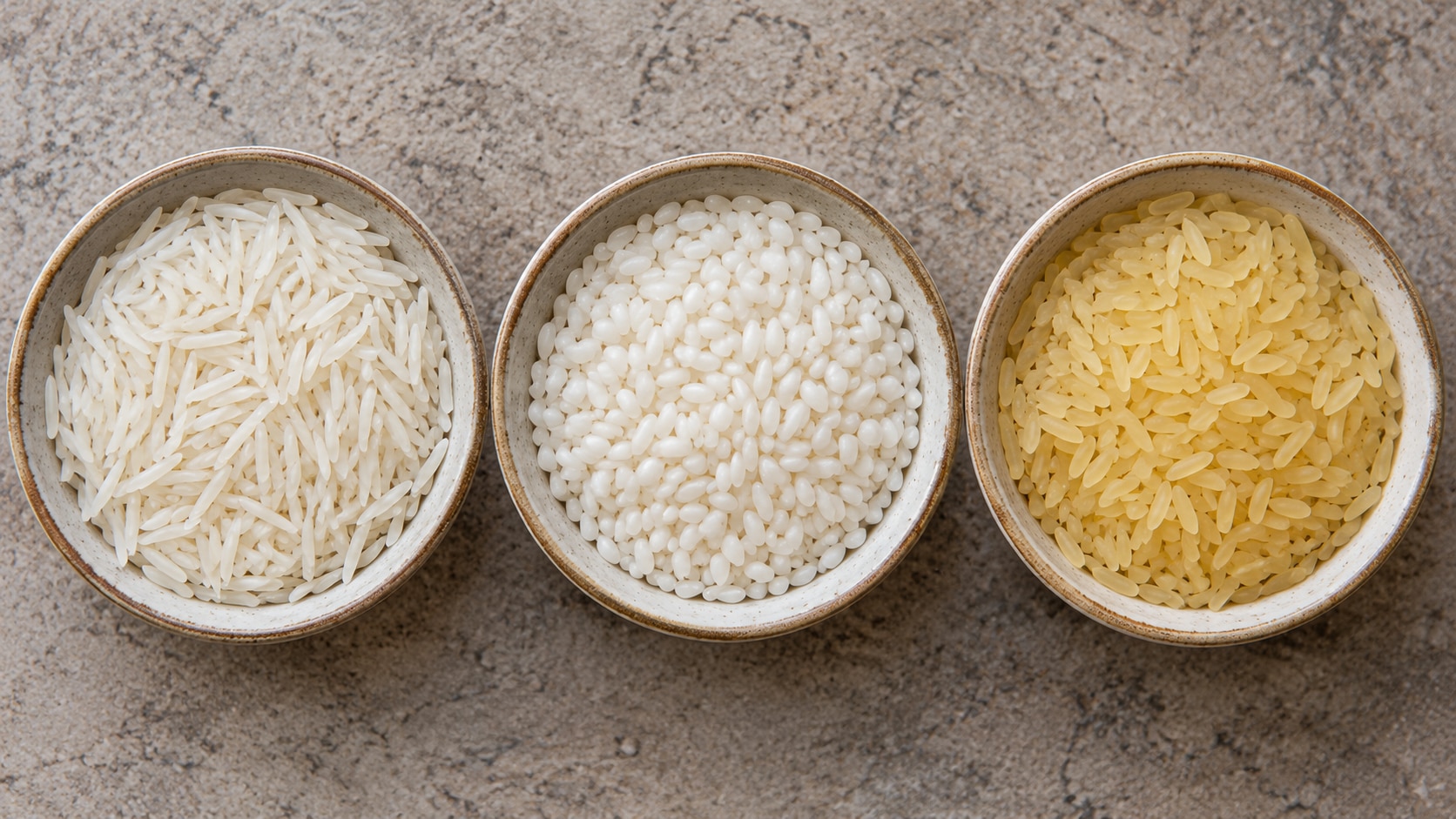 Figure 1: Basmati, sona masuri and parboiled rice differ in grain length, aroma and how firm they stay after cooking.
How Do Atta And Flour Types Compare?
Category ExplainerWhole wheat atta is ground from the entire wheat grain, including its fibre rich bran, and suits daily roti and paratha. Multigrain atta blends wheat with other grains like jowar, bajra or ragi for added variety in taste and texture. Both types need airtight storage to stay fresh.
Whole wheat atta is milled from the entire wheat kernel. This includes the outer bran layer and the inner germ, not just the starchy centre.
This is why whole wheat atta looks slightly brown and feels coarser than refined flour used for bread or cakes.
Whole wheat atta is the everyday choice for soft roti, paratha and puri in most Indian homes.
Multigrain atta mixes wheat with other grains, commonly jowar, bajra, ragi or oats, ground together into one flour.
This blend changes the taste and texture of roti slightly, often making it denser and a bit more filling than plain wheat roti.
Families often choose multigrain atta for variety in daily meals, rather than any single functional reason. Many multigrain packs blend wheat with 2 or 3 other grains. The Bureau of Indian Standards also sets a quality specification for protein-rich fortified atta sold in the market [R4].
Both atta types absorb moisture from humid air quickly once a pack is opened. Dampness can also invite pests into stored flour.
Always check the colour and smell of atta before buying. A good quality pack smells fresh and plain, not musty, sour or stale.
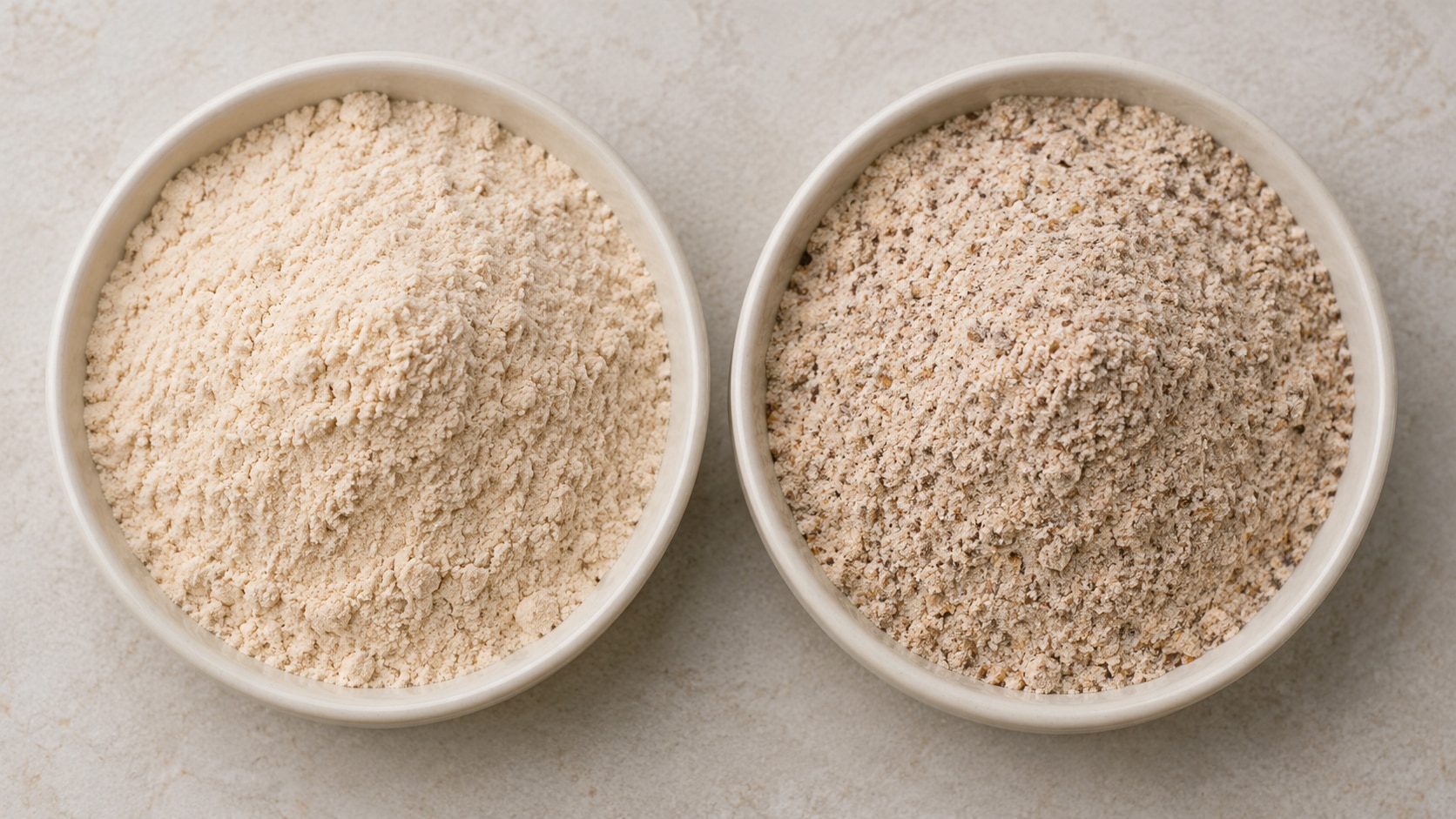 Figure 2: Whole wheat atta uses the full wheat grain, while multigrain atta blends in other grains like jowar or ragi.
How Do You Tell Common Dal Types Apart?
Category ExplainerToor dal is pale yellow and slightly oily, moong dal is small and yellow or green, chana dal is golden and split from whole chickpeas, urad dal is cream or black and sticky when cooked, and masoor dal is small, orange-red and cooks the fastest of all five.
Five dals appear most often on an Indian kitchen shelf, and each looks and cooks a little differently.
- Toor dal, also called arhar dal, is pale yellow, medium sized and feels slightly oily to the touch.
- Moong dal comes whole and green, or split and yellow after the skin is removed, and cooks quickly either way.
- Chana dal is a golden, split version of whole chickpeas, firmer than other dals and takes longer to soften.
- Urad dal appears cream coloured when split and skinned, or black when left whole with its skin, and turns sticky when cooked.
- Masoor dal is the smallest, flat and orange-red, and usually cooks the fastest of the five.
Indian food rules also limit how much moisture any dal pack can hold, since damp dal spoils and attracts pests faster.
Dal with its skin still on can legally hold slightly more moisture than dal with the skin removed and polished [R2].
Checking grain size, colour and whether the skin is on or off is the quickest way to tell these dals apart at a glance.
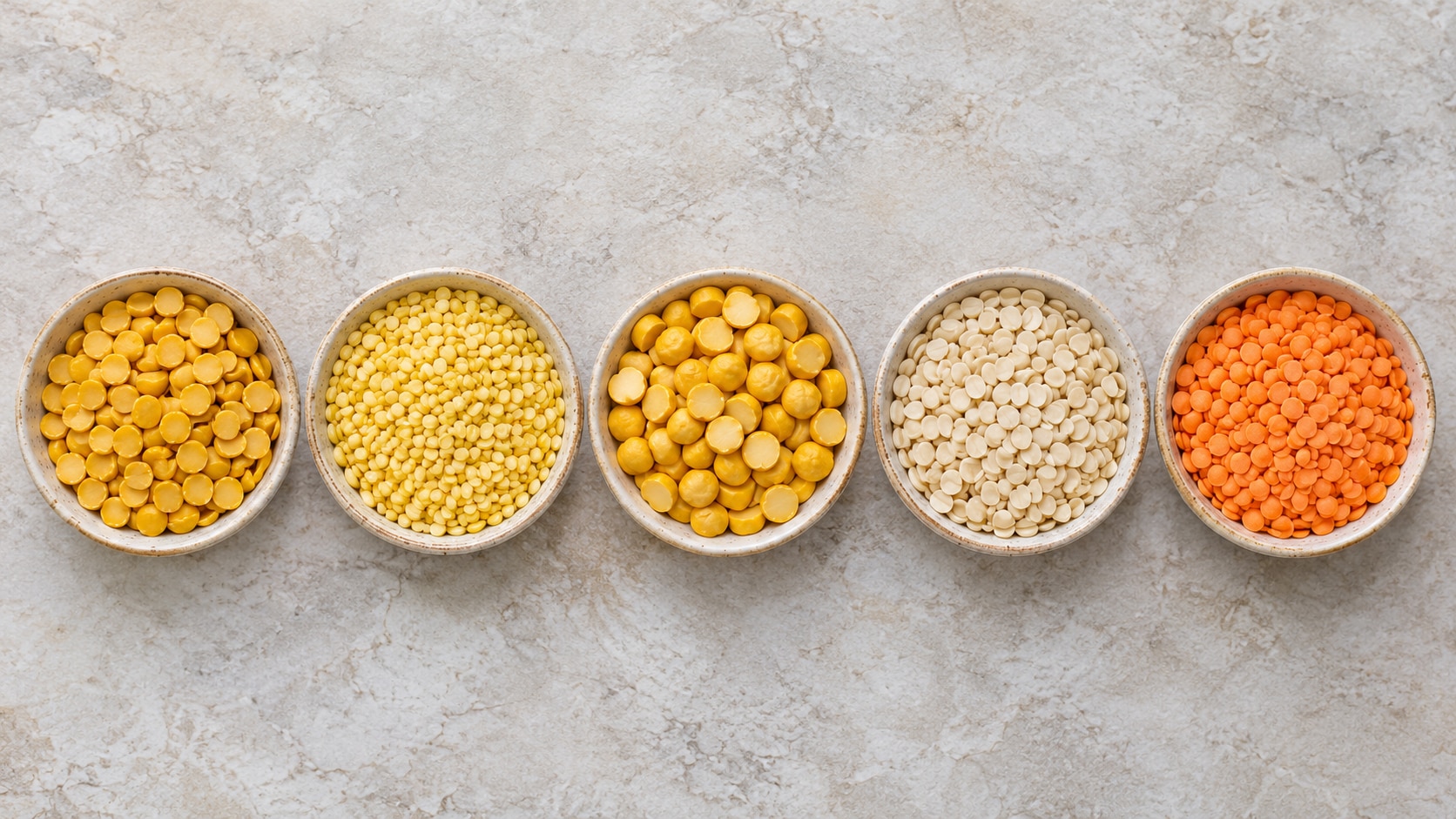 Figure 3: Grain size, colour and whether the skin is on or off are the easiest ways to tell dals apart.
Which Cooking Oil Suits What?
Category ExplainerMustard oil has a strong, pungent smell and is common in eastern and northern Indian cooking. Groundnut oil has a mild, nutty taste and suits deep frying. Sunflower oil is light and neutral, suiting everyday cooking. Soyabean oil is also light and commonly used in general household cooking.
Mustard oil carries a strong, pungent smell and a sharp taste that mellows once heated properly in a pan.
It is especially common in Bengali, Odia and North Indian cooking, used both for cooking and for tempering pickles.
Groundnut oil has a mild, slightly nutty taste and a relatively stable behaviour under high heat.
This makes groundnut oil a popular choice for deep frying snacks like bhajiya, puri or pakoda in many Indian kitchens.
Sunflower oil is light in both colour and taste, with very little smell of its own once cooking begins.
Its neutral taste makes sunflower oil a common everyday choice for sauteing vegetables or shallow frying daily meals.
Soyabean oil is also light and mostly neutral tasting, and is widely used as a general-purpose cooking oil across Indian households.
Many families keep 2 oils at home, one neutral oil like sunflower or soyabean for daily cooking, and one stronger oil like mustard for specific regional dishes.
| Oil Type | Taste And Smell | Commonly Used For |
|---|---|---|
| Mustard Oil | Strong, pungent smell and sharp taste | Eastern and North Indian cooking, pickles |
| Groundnut Oil | Mild, nutty taste | Deep frying snacks like pakoda and puri |
| Sunflower Oil | Light, neutral, little smell | Everyday sauteing and shallow frying |
| Soyabean Oil | Light, mostly neutral | General-purpose daily cooking |
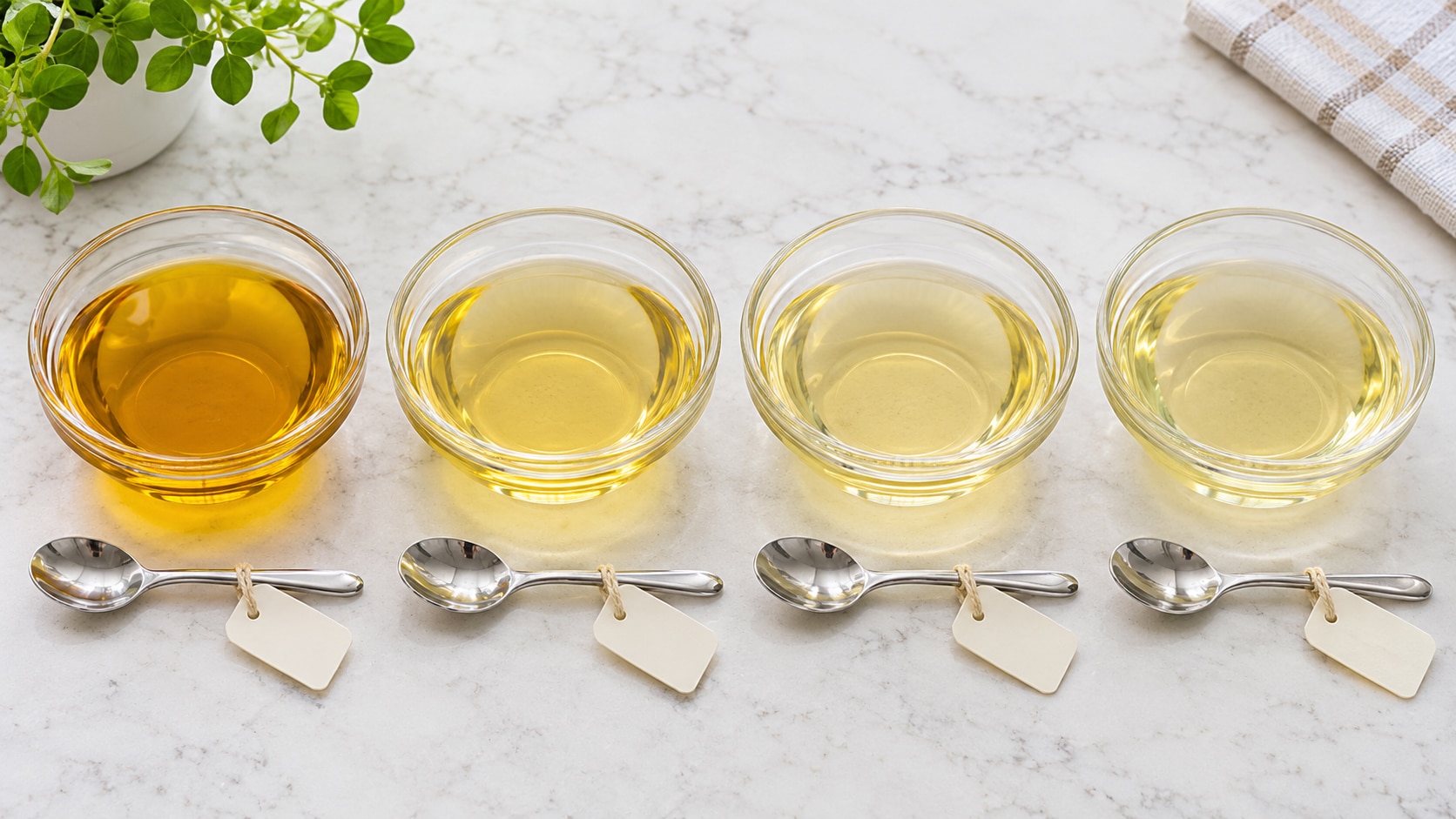 Figure 4: Mustard oil stands out for its strong smell, while the other three stay light and mostly neutral tasting.
How Do You Read A Grocery Staples Label?
Buying GuideA staples pack should show a food safety mark, the net quantity, a manufacturing date and a best-before date. A basmati rice blend must also list the exact rice types and their share. Checking these details before buying helps you avoid a poor quality or mislabelled pack.
A trustworthy staples pack always carries a visible food safety mark on the label, confirming it meets Indian food regulation.
Check the net quantity printed on the pack, which tells you the actual weight of rice, atta, dal or oil inside.
Look for both a manufacturing date and a best-before date. These two dates together tell you how fresh the product likely still is.
For basmati rice specifically, a blended pack must name every rice type used and state each one's share by weight [R1].
A pack claiming to be pure basmati with no blend details, yet priced far below typical basmati packs, deserves a closer look before buying.
For dal, check that the pack looks free of visible dust, broken grains or any insect activity through a clear window or bag.
For oil, check the bottle seal is intact and the oil looks clear, without cloudiness or a separated layer at the top.
Taking a few extra seconds to check these details on the pack prevents most common staple buying mistakes. Consumer protection rules also require the month and year of manufacture on the pack, along with the printed price [R3].
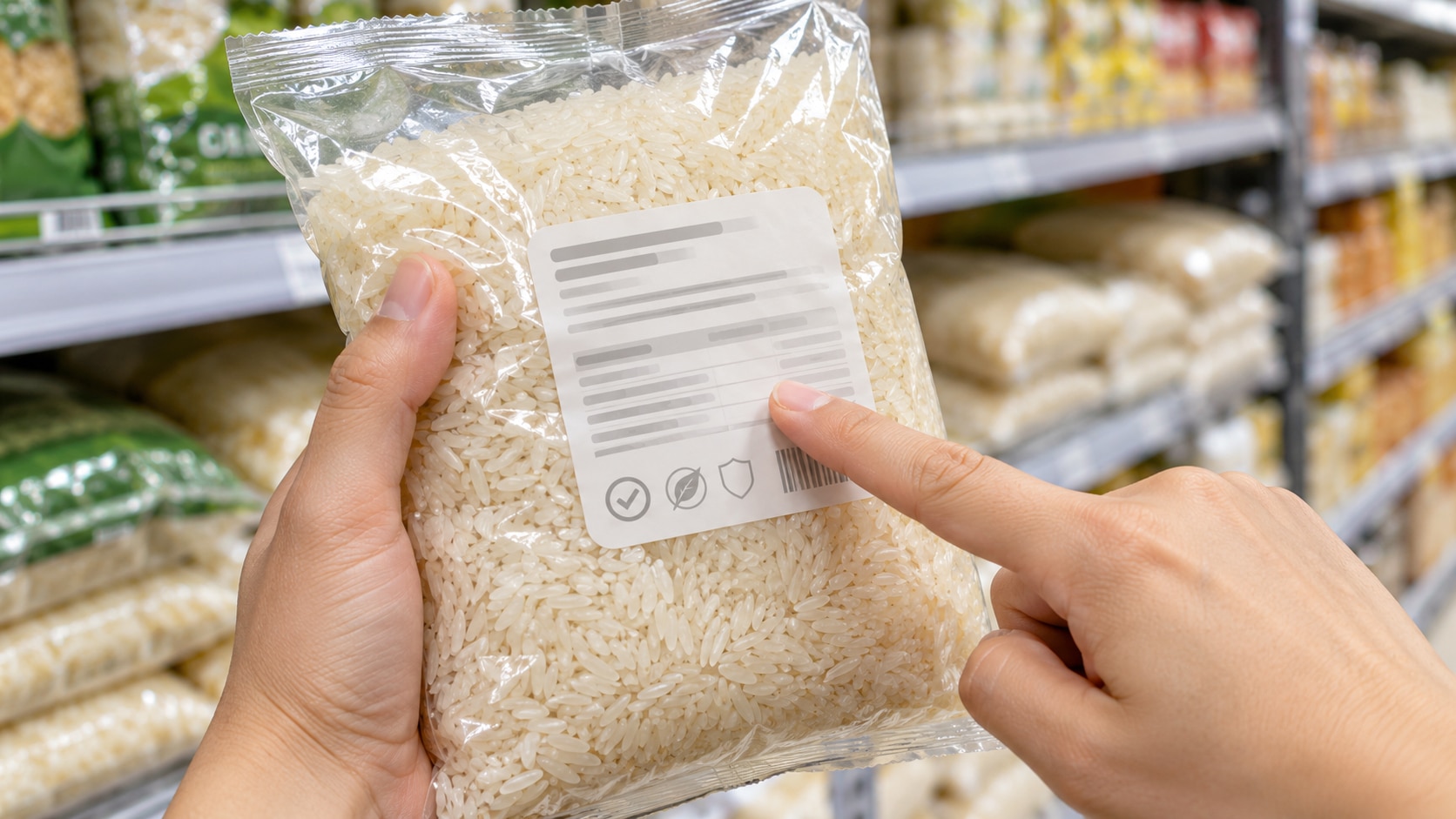 Figure 5: A quick label check for dates, weight and certification marks helps avoid a poor quality staples pack.
How Should You Store Each Staple?
Buying GuideRice and atta both need a dry, airtight container to stay fresh and pest free. Dal should also sit in a sealed container away from humidity. Cooking oil keeps best in a cool, dark spot, away from direct heat or sunlight, with the cap tightened after every use.
Simple, consistent storage habits keep rice, atta, dal and oil fresh for far longer than how they are packed at the shop.
Store rice and atta in a dry, airtight container, away from any direct moisture or steam from daily cooking.
An airtight container also keeps out common pantry pests, which are drawn to any gap or loosely tied bag.
Dal should also go into a sealed, dry container. Transferring it out of its original paper or thin plastic packaging helps it last longer.
Cooking oil keeps best away from direct sunlight and heat, ideally in a cool, dark corner of the kitchen.
Always tighten the oil bottle cap fully after each use, since repeated air exposure can affect its taste over time.
A simple labelling habit, writing the opening date on atta, dal or oil containers, makes it easy to track freshness at a glance. Most kitchens finish an opened pack within about 2 to 3 months for the best taste.
| Item | Figure | What it means |
|---|---|---|
| Rice | Dry, airtight container | Keeps out moisture and common pantry pests |
| Atta | Dry, airtight container | Smell test regularly for early staleness |
| Dal | Sealed container, moved out of thin packaging | Check regularly for insect activity |
| Cooking Oil | Cool, dark spot, cap tightened fully | Direct heat and sunlight affect taste over time |
Frequently Asked Questions
What makes basmati rice different from other rice?
Is sona masuri better than basmati for daily meals?
Why does parboiled rice feel different when cooked?
What is the main difference between atta types?
How do I tell urad dal from chana dal quickly?
Which dal cooks the fastest?
Why do some kitchens keep 2 types of oil?
How much moisture can dal legally contain?
Shop grocery staples on JioMart
References
Cited in the text by tag. All links point to the specific source document.