


Quick Overview
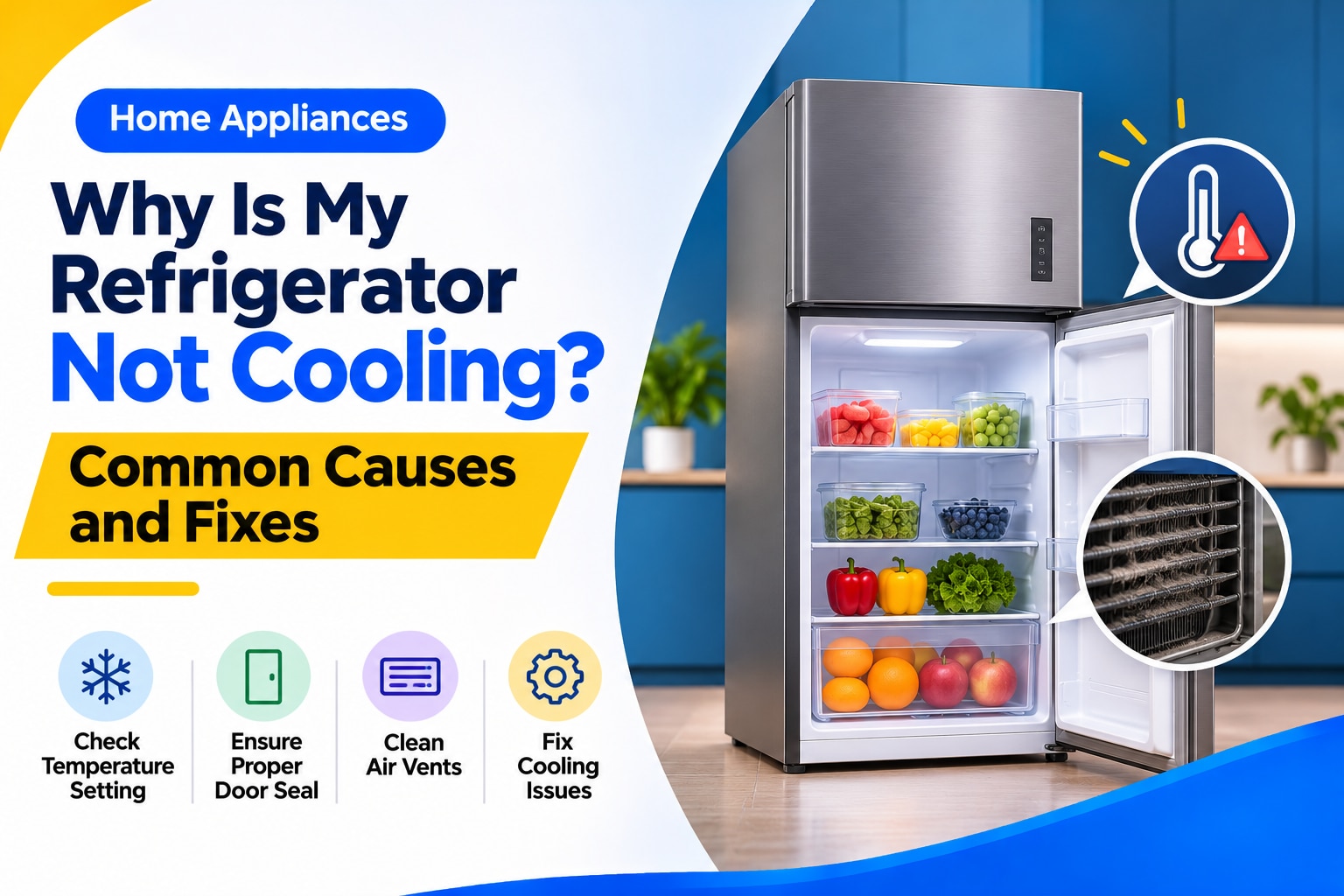
- A refrigerator not cooling usually comes down to temperature settings, blocked vents, dirty coils, or a worn door gasket
- Ideal fridge temperature: 1-4°C, freezer at -18°C
- Most fixes take under 30 minutes; compressor issues need a technician
- Regular coil cleaning every 3-4 months prevents most cooling problems
What Temperature Should Your Refrigerator Be Set At?

It's a small detail, but it makes a big difference. A refrigerator not cooling properly is often just a case of the dial being nudged out of place: sometimes by a grocery bag, sometimes by a curious kid.
Common Causes of a Refrigerator Not Cooling
There isn't just one reason your fridge stops keeping things cold. Here are the usual suspects behind a refrigerator not cooling complaint, and yes, some are laughably simple to fix.
Incorrect Temperature Settings
- Thermostat accidentally set too high or shifted from its usual position
- Door bumped against the control panel while loading groceries
- New unit still on factory default settings, not yet adjusted for Indian summers
- Digital panels reset after a power cut, reverting to default temperature
If this is the cause, it can take up to 24 hours for the compartment to cool down fully after you correct the setting, so don't panic if it's not instantly icy again.
Blocked Air Vents
Cold air travels through internal vents to reach every shelf. If those vents are stuffed with tiffin boxes, tall bottles, or an overstacked vegetable drawer, the airflow gets cut off. This is a sneaky cause of uneven cooling: one shelf might be fine while another stays warm.
Dirty Condenser Coils
The condenser coils, usually tucked behind or beneath the unit, release the heat your fridge pulls out of its interior. Over months, dust, kitchen grease, and pet hair settle on these coils and choke their ability to dissipate heat. A layer of grime here is one of the most common causes of a refrigerator not cooling, especially in units that haven't had a coil clean-up in over a year.
Damaged or Dirty Door Gasket
The rubber gasket lining your fridge door is what keeps cold air locked in. When it's cracked, warped, or coated in food residue, it can't form a tight seal, and cool air quietly leaks out while warm kitchen air sneaks in. You can test this with a simple trick: close the door on a piece of paper and try pulling it out. If it slides free too easily, the seal has weakened.
Problems with the Compressor or Cooling Fan
The compressor is the heart of the cooling system, and the evaporator or condenser fan circulates air across it. A compressor that runs constantly without cycling off, makes unusually loud noises, or trips your circuit breaker repeatedly is signalling deeper trouble. Fan motor failures show similar symptoms: quiet hums that should be there suddenly go silent.
Refrigerator Not Cooling but Freezer Works: What Could Be Wrong?
This specific combination: refrigerator not cooling but freezer works: usually points to airflow, not the compressor. Since a single system typically cools both compartments, a blocked vent between the freezer and fridge section, a faulty evaporator fan or frost buildup on the coils can stop cold air from reaching the fridge while the freezer stays unaffected. Some models also run demo or showroom mode by mistake, which disables cooling in the main compartment while leaving other functions active. Check your control panel display for an unusual code before you assume the worst.
How to Fix a Refrigerator That Is Not Cooling

- Confirm the thermostat is set to 3-4°C and hasn't drifted
- Clear any items blocking the internal vents
- Vacuum or brush the condenser coils gently, unplugging the unit first
- Wipe the door gasket with warm water and mild soap, then check the seal
- Leave at least 2.5 to 5 cm of clearance around the back and sides for airflow
- Make sure the unit is standing level; an uneven base can throw off cooling efficiency
- Avoid overpacking shelves, especially right after a big grocery haul
Give the fridge about 24 hours after any adjustment before judging whether it worked.
When Should You Call a Professional for a Refrigerator Cooling Problem?
If you've worked through every check above and you're still facing a refrigerator cooling problem, it's time to bring in a technician. Persistent lukewarm air, a compressor that won't stop running, unusual burning smells, or refrigerant leaks all point to internal component failure: territory that's best left to trained hands. Attempting compressor or refrigerant repairs yourself can void your warranty and, in some cases, isn't safe without the right tools.
How to Prevent Common Refrigerator Cooling Problems
Prevention is far less hassle than troubleshooting. Clean the condenser coils every three to four months, especially if you have pets shedding fur nearby. Keep the fridge away from direct sunlight, stoves, or other heat sources, since ambient heat forces the compressor to work overtime. Don't overload shelves, and check the door gasket for wear every few months. If you're shopping for a new unit, models like the Whirlpool Intellifresh Pro 235 L Inverter Convertible Frost Free Double Door Refrigerator or the LG 650 L Convertible Side-by-Side Refrigerator (GL-B257JDS3) come with inverter compressors and smart diagnostics that flag cooling issues early: worth considering if your current fridge keeps giving you trouble.
Conclusion: What to Do When Your Fridge Is Not Cooling
A refrigerator not cooling is rarely a dead end. Usually, it's a loose seal, a blocked vent, or dusty coils: all fixable in an afternoon. Run through the checks above, give the unit time to stabilise, and call in a professional only if the compressor itself seems to be the culprit. A little regular maintenance can help keep your kitchen running smoothly.