
)
)
)
)
)
)


 Change Model
 Remove
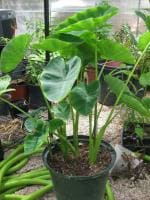
ADITYA GREEN PLANTS AGP Green Colocasia Esculenta Taro Live Plant in Poly Bag
- 12 Months cover from date of purchase for New Smart Phones
- Repair of device for Accidental and/or Liquid damage.
- Max 2 repair requests, cumulatively capped upto the device invoice value.
- Like to Like replacement
- Free Pick-up & Drop
- 14 Working Days TAT
Ever accidentally spilt coffee, tea or water on your phone? Did your phone ever get drenched in the rain? All of these can damage parts within your phone and make it unusable or non-responsive just when you most need it. Smartphones are fragile and prone to physical damage. So we recommend you buy this accidental damage and liquid protection cover. Fixing a liquid damaged Smartphone is expensive and time consuming if it isn't covered under the manufacturer warranty or extended warranty. Buying this Extended Warranty for your smartphone will protect your phone for 12 months.
| Validity | 1 Year |
|---|---|
| Brand | Reliance Retails |
| Warranty | 1 Year on handset. 6 months on accessories |
Items are eligible for return within 7 Days of Delivery*. All accessories, product & packaging need to beEver accidentally spilt coffee, tea or water on your phone? Did your phone ever get drenched in the rain? All of these can damage parts within your phone and make it unusable or non-responsive just when you most need it. Smartphones are fragile and prone to physical damage. So we recommend you buy this accidental damage and liquid protection cover. Fixing a liquid damaged Smartphone is expensive and time consuming if it isn't covered under the manufacturer warranty or extended warranty. Buying this Extended Warranty for your smartphone will protect your phone for 12 months.
Samsung 138 cm smart television with Pureview QLED
1 Year resQ Care Plan. Accidental and liquid damage Protection for LCD
Amount Payable:
- Colocasia Esculenta Taro or Elephany ear is a member of the family Araceae, is the common name under which a large number of plants reside.This perennial tropical to subtropical plant is cultivated for its starchy sweet tuber. The foliage can be eaten as well and is cooked much as other greens are. It is rich in minerals and vitamins A, B, and C.
- The starch in the large tubers or corms of taro is very digestible, making taro flour an excellent addition to infant formulas and baby foods. It is a good source of carbohydrates and to a lesser extent, potassium and protein. Growing taro for food is considered a staple crop for many countries, but most especially in Asia.
- The most common species used as a food source is Colocasia esculenta. As mentioned, taro is tropical to subtropical, you can try growing taro in a greenhouse. The large leaves grow from 3-6 feet in height, so it will need some space. Also, patience is required, since taro needs 7 months of warm weather to mature.
- Just place the tuber in an area of the garden with rich, moist, well-draining soil with a pH between 5.5 and 6.5. Set the tubers in furrows 6 inches deep and cover with 2-3 inches of soil, spaced 15-24 inches apart in rows that are 40 inches apart. Keep the taro consistently moist, Feed the taro with a high potassium organic fertilizer, compost, or compost tea.
- Harvesting Taro Roots Within the first week, you should notice a small green stem poking up through the soil. Soon, the plant will become a thick bush that may grow a foot to up to 6 feet, depending upon the species. As the plant grows, it will continue to send out shoots, leaves and tubers which allow you to continually harvest some of the plant without harming it. The whole process takes about 200 days from planting corms to harvest. To harvest the corms, lift them gently from the soil.