
)
)
)
)
)
)
)
)


 Change Model
 Remove
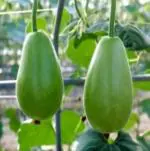
JIGNISHA SEEDS Lauki Desi Gol Vegetable Seeds Pack Of 20
- 12 Months cover from date of purchase for New Smart Phones
- Repair of device for Accidental and/or Liquid damage.
- Max 2 repair requests, cumulatively capped upto the device invoice value.
- Like to Like replacement
- Free Pick-up & Drop
- 14 Working Days TAT
Ever accidentally spilt coffee, tea or water on your phone? Did your phone ever get drenched in the rain? All of these can damage parts within your phone and make it unusable or non-responsive just when you most need it. Smartphones are fragile and prone to physical damage. So we recommend you buy this accidental damage and liquid protection cover. Fixing a liquid damaged Smartphone is expensive and time consuming if it isn't covered under the manufacturer warranty or extended warranty. Buying this Extended Warranty for your smartphone will protect your phone for 12 months.
| Validity | 1 Year |
|---|---|
| Brand | Reliance Retails |
| Warranty | 1 Year on handset. 6 months on accessories |
Items are eligible for return within 7 Days of Delivery*. All accessories, product & packaging need to beEver accidentally spilt coffee, tea or water on your phone? Did your phone ever get drenched in the rain? All of these can damage parts within your phone and make it unusable or non-responsive just when you most need it. Smartphones are fragile and prone to physical damage. So we recommend you buy this accidental damage and liquid protection cover. Fixing a liquid damaged Smartphone is expensive and time consuming if it isn't covered under the manufacturer warranty or extended warranty. Buying this Extended Warranty for your smartphone will protect your phone for 12 months.
Samsung 138 cm smart television with Pureview QLED
1 Year resQ Care Plan. Accidental and liquid damage Protection for LCD
Amount Payable:
- lauki desi Vegetable Seeds Pack Of 20
- High Yeilding Vegetable Seeds Best For Your Garden
- High Yeilding Vegetable Seeds Best For Your Garden
- CAUTION: Dont Use Seeds For Feed , Food And Oil Purposes .
Description :

Bottle gourd, scientifically known as Lagenaria siceraria, is a member of the gourd family, Cucurbitaceae, prized for its edible fruit and versatile culinary uses. Originating from Africa, bottle gourd is now cultivated in various regions around the world, particularly in Asia, where it holds cultural significance and culinary prominence.
The bottle gourd plant is a fast-growing annual vine that produces large, elongated fruits with a characteristic bottle-like shape, hence its name. The fruits can vary in size, ranging from small to medium-large, and feature smooth, light green skin. The flesh of the fruit is white, tender, and mild-tasting, with a slightly sweet flavor when harvested young.
In addition to its fruit, bottle gourd plants also produce large, heart-shaped leaves and yellow flowers that bloom throughout the growing season. The vines of the plant can sprawl across the ground or climb trellises and other support structures, making it suitable for both ground and vertical gardening.
Bottle gourd is highly nutritious, containing a variety of vitamins, minerals, and antioxidants. It is particularly low in calories and rich in dietary fiber, making it a popular choice for individuals seeking to maintain a healthy diet and manage their weight. Additionally, bottle gourd is believed to have various health benefits, including promoting digestion, hydration, and overall well-being.
Culinarily, bottle gourd is a versatile vegetable that can be used in a wide range of dishes. It can be cooked in curries, stews, soups, and stir-fries, where it absorbs the flavors of spices and seasonings. Bottle gourd can also be stuffed, sautéed, or added to salads and pickles for a refreshing crunch.
In traditional medicine systems such as Ayurveda, bottle gourd is valued for its medicinal properties and is used to treat various ailments, including digestive disorders, urinary tract infections, and skin conditions. However, it's important to note that the consumption of bottle gourd should be moderate, as excessive intake may have adverse effects.
Overall, bottle gourd is a nutritious and versatile vegetable that adds flavor, texture, and nutritional value to a wide range of culinary dishes. Whether enjoyed in savory curries or refreshing beverages, bottle gourd remains a beloved ingredient in cuisines around the world.
Sowing Method:

To sow bottle gourd seeds, you'll need to follow several steps to ensure successful germination and healthy growth of the plants. Here's a general guide to sowing bottle gourd seeds:
1. Select a Suitable Location: Choose a planting site with well-drained soil and plenty of sunlight. Bottle gourd plants thrive in warm climates, so ensure the location receives at least 6 to 8 hours of sunlight daily.
2. Prepare the Soil: Loosen the soil to a depth of about 8 to 10 inches and remove any weeds, rocks, or debris. Incorporate organic matter such as compost or well-rotted manure to improve soil fertility and structure.
3. Sow the Seeds: Plant bottle gourd seeds directly into the prepared soil once the danger of frost has passed and the soil temperature has warmed to at least 60°F (15°C). Plant the seeds about 1 inch deep and space them 18 to 24 inches apart in rows or hills.
4. Watering: Water the planted seeds thoroughly after sowing to ensure the soil is evenly moist. Continue to keep the soil consistently moist but not waterlogged throughout the germination and seedling stages.
5. Provide Support: Bottle gourd plants are vigorous climbers and will benefit from vertical support as they grow. Install trellises, stakes, or other structures for the vines to climb, ensuring they have adequate support to prevent them from sprawling on the ground.
6. Thin the Seedlings: Once the bottle gourd seedlings emerge and develop their first true leaves, thin them out to ensure proper spacing between plants. Thin the seedlings to about 2 to 3 plants per hill or spacing recommendation for your chosen planting method.
7. Mulching: Apply a layer of organic mulch, such as straw or shredded leaves, around the base of the plants to help retain soil moisture, suppress weeds, and regulate soil temperature.
8. Fertilizing:Apply a balanced fertilizer or compost tea to the soil around the base of the plants every few weeks during the growing season to provide nutrients for healthy growth and fruit production.
9. Harvesting: Bottle gourds are typically ready for harvest 60 to 80 days after sowing, depending on the variety. Harvest the fruits when they reach the desired size and have a glossy appearance. Use a sharp knife or pruning shears to cut the fruits from the vine, leaving a short stem attached.
By following these steps and providing proper care and maintenance, you can successfully sow and grow bottle gourd plants in your garden, enjoying a bountiful harvest of this nutritious and versatile vegetable.