

)
)
)
)
)
)
)
)
)
)


 Change Model
 Remove
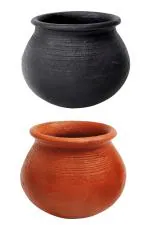
An earthen yogurt handi is a traditional, handcrafted container used for making and storing yogurt. It's typically made from clay, which gives it a distinctive, rustic appearance. Here’s a detailed description:
Material and Texture: The handi is crafted from natural clay, which may be unglazed or have a simple glaze. The clay often has a rough, earthy texture, and the surface might exhibit natural variations in color and pattern.
Shape and Size: It usually has a rounded, bulbous shape with a wide mouth and a narrower base. The size can vary, but it’s generally small to medium-sized, suitable for holding a few servings of yogurt.
Design: The design is often simple and unadorned, though some handis might feature traditional patterns or motifs etched into the clay. The shape helps in the fermentation process, as the porous nature of the clay can assist in maintaining the right temperature and moisture level.
Functionality: The porous nature of the clay allows the handi to absorb and release moisture, which helps in creating a consistent environment for yogurt fermentation. The thick walls help to maintain a stable temperature, which is ideal for the culture to thrive.
Aesthetic and Cultural Value: Beyond its functionality, the earthen yogurt handi has a cultural and aesthetic appeal. It reflects traditional craftsmanship and is often used in Indian and other South Asian cuisines. It adds a touch of authenticity and heritage to the preparation and serving of yogurt.
Care and Maintenance: To maintain the handi, it should be washed gently and dried thoroughly to prevent any residual moisture that might lead to mold growth. Regular cleaning ensures that the handi remains in good condition and continues to function effectively.
In summary, an earthen yogurt handi is not just a container but a piece of traditional craftsmanship that enhances both the process of making yogurt and the cultural experience associated with it.